Dr Daniel Crespi Paediatric Gastroenterologist

Bowel preparation plays a key role in your child having a successful paediatric colonoscopy

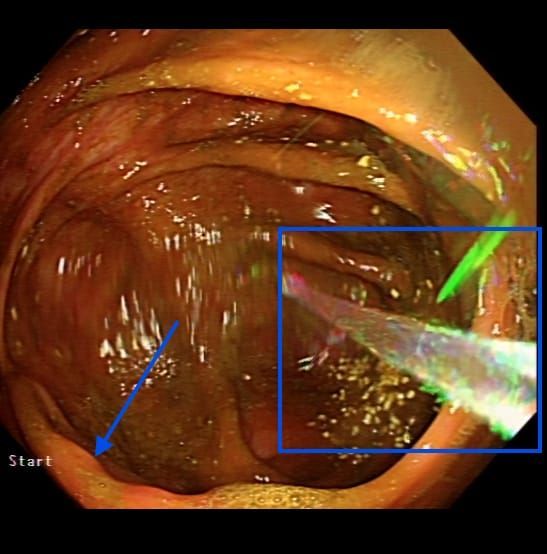
Poor bowel preparation in a paediatric colonoscopy

The days before a paediatric colonoscopy is when you and your child can really have a positive impact on optimising the appearance of the bowel lining during the colonoscopy.


Why does your child need a colonoscopy

First let's recap how we got to the point of your child needing a colonoscopy.


Your child has been having tummy troubles for some time.  In some it may be prolonged diarrhoea (usually for longer than the usual 2-3 weeks that can happen with an infection) and can be accompanied by abdominal pain, weight loss and tiredness. 

In some children there may be visible blood or mucus seen with the looser stools.

You may be concerned that there symptoms are similar to those of a close relative with a bowel condition.


Your doctor has performed some non-invasive investigations, such as blood tests and stool (faeces or poo) tests, including a faecal calprotectin. This is a protein released by white cells called neutrophils, that accumulate in areas of inflammation. 


The results have come back and shown the possibility of significant gut inflammation. They don't make a diagnosis, for this the next step is that they need a paediatric colonoscopy to investigate things further.


You've seen a paediatric gastroenterologist about this. They have assessed your child and their situation, reviewed the tests performed so far. They recommend proceeding with endoscopy, in this case including a paediatric colonoscopy.  They have booked your child in for the procedure. 


What happens in the colon


You may recall that the digestive system is, in very simple terms, essentially a long tube that stretches from the mouth, through the oesophagus and stomach and into the small and then large intestines and empties via the rectum.  Each area plays a different role in the digestive process.


Nutrients are absorbed throughout the small intestine. The colon (or large intestine) is where the leftover waste matter is processed and turned into what we recognise as poo (stool or faeces).


How much poo is in the colon, and what consistency it is, depends on the type of food we eat, how much we eat, how fast or slow your bowel moves the contents along, how much water is absorbed as the residue travels along the colon amongst other factors including any medications being used.


What happens during a colonoscopy


During any colonoscopy, whether in an adult or a child, the adult or paediatric gastroenterologist or endoscopist, inserts a long flexible floppy tube that contains intricate technology within it, and that has a light and video camera at one end, into the large intestine via the rectum (back passage). The camera's images are transmitted to a large high definition monitor that is directly opposite the endoscopist.


Any paediatric endsocopist or gastroenterologist hopes that the patient has good bowel preparation. They want to get as clear a view of the lining (also known as the mucosa) of the colon as possible.  This is so that they can observe and document, with photographs, any areas that look abnormal.  They can also take samples of tissue, known as biopsies, from those areas for more detailed analysis.


The picture here shows a very heavy amount of poo residue obscuring the view of the lining of the colon. This makes it very hard for the specialist to distinguish any areas of linng whether normal or abnormal at all.


This prolongs the procedure substantially. In children, who have endoscopy performed whilst they are under general anaesthetic, this means more time spent under the influence of general anaesthetic. It also adds another layer of risk should any complication, for example perforation, although rare, occur.


Can't the doctor just get rid of the poo?


Whilst it is possible to use a water jet wash to clear some of the residue away (hover over the image with your mouse to see what I mean), with such a heavy amount of poo about, it adds a lot of time of the procedure.  Poo residue also increases the risk of missing any pathology and can also mean cutting the procedure short, so an incomplete procedure.


What can parents and children do ahead of any colonoscopy?


You have a vital role. The time spent on preparing one's child or teen for a colonoscopy is well worth it, in terms of:

  • safety
  • getting the most information out of the procedure as possible
  • minimising the time spent asleep with general anaesthetic.


The days before a colonoscopy are crucial as they are when you and your child can have a very positive impact on bowel preparation, that is, optimising the appearance of the bowel lining during the colonoscopy.


What is bowel preparation


This is the important act of getting the colon ready for procedures such as paediatric colonoscopy, so that the colon is effectively cleansed and has minimal poo residue within it during the procedure.


There are two phases to bowel preparation:


1st phase - Dietary changes


Your doctor and their team will give you specific instructions about modifying your child's diet in the 2-3 days before the procedure.

The advice is to:

  •  avoid eating high fibre foods
  • then switch to diet that has only low residue foods.


This is all with the aim of having far less poo residue left in the colon before the procedure than one would have when on a normal fibre and normal residue diet.


Your team will provide you with a list of suitable foods so that you can prepare ahead of the procedure. It is important to prepare your child to understand that their diet will be different for a few days, to make it easier to see inside the colon properly.


2nd phase - Strong laxatives the day before colonoscopy


The day before a paediatric colonoscopy, your child or teen will need to drink some very strong laxatives. These aren't available over the counter.  They are often prescribed by the doctor you met in a clinic, sent out by the endoscopy unit where the procedure will take place, or a prescription may be posted to you. 


In the UK there are a variety of laxatives used.  In children we commonly use laxatives that increase the water content of the stools making them a lot looser.  They also cause the bowel to contract to push the poo out. Different brands exist such as Picolax, Moviprep etc. Sometimes combinations of common laxatives are used.

They may be specially adapted to lower doses for smaller children. 

It is important to closely follow the instructions sent to you including the amount to give your child and also the timing of when to give the laxatives. 

Often 2 doses are given several hours apart on the day before the colonoscopy.


Over the course of the 24 hours before the procedure your child will experience the need to urgently get to the toilet, and the stools may become very watery, to the point where it can be difficult to keep control of the bowels. Sometimes accidents or leaks can happen. This is not your child's fault.


To make the experience as comfortable as possible, it is best to stay off school, nursery or college the day before the colonoscopy whilst taking these laxatives.


Top tips for bowel preparation in children having a colonoscopy


Prepare your child ahead of any procedures - talk them through what is going to happen using age appropriate terms.  Your doctor will often have done this in clinic and can provide age appropriate resources to read through or links to videos to watch.

Plenty are also available on the web.

Knowing what is ahead is usually better than springing a surprise and not being prepped.


Shop ahead for fun low residue foods

Have a good look at the list of allowed low residue foods sent to you by your doctor.  Discuss these with your child and see what they would like from them. Have them all ready so that you're all set for the days before the procedure.


Let school and your work know


Tell your child's school that they will miss school the day before and the day of the colonoscopy procedure.  Let your family and work colleagues know that you will be needed by your child on those days.


The day before the colonoscopy and taking the Bowel prep laxatives


Make sure your prescription is available at your local pharmacy and picked up well ahead of the procedure - avoid any last minute panic hunting for a pharmacy that supplies the medicine. Have this all ready at home days before the procedure.


Stay at home the day before procedure - so much more comfortable for all involved


Follow the instructions on how to make the prep medicine and use these tips when using it


  • Let it get cold- the colder the better. Often these medicines generate heat when made up
  • Flavour it with an allowable and child-friendly taste - a cordial for example
  • Use a straw
  • Drink plenty of water - especially in younger children, but in all ages it is important to keep your child hydrated
  • Plan to be close to a toilet.  Few things are more distressing than getting caught short when out and about. Having a familiar bathroom and toilet nearby makes for a far more pleasant experience. One of the benefits of being at home for this if age allows.
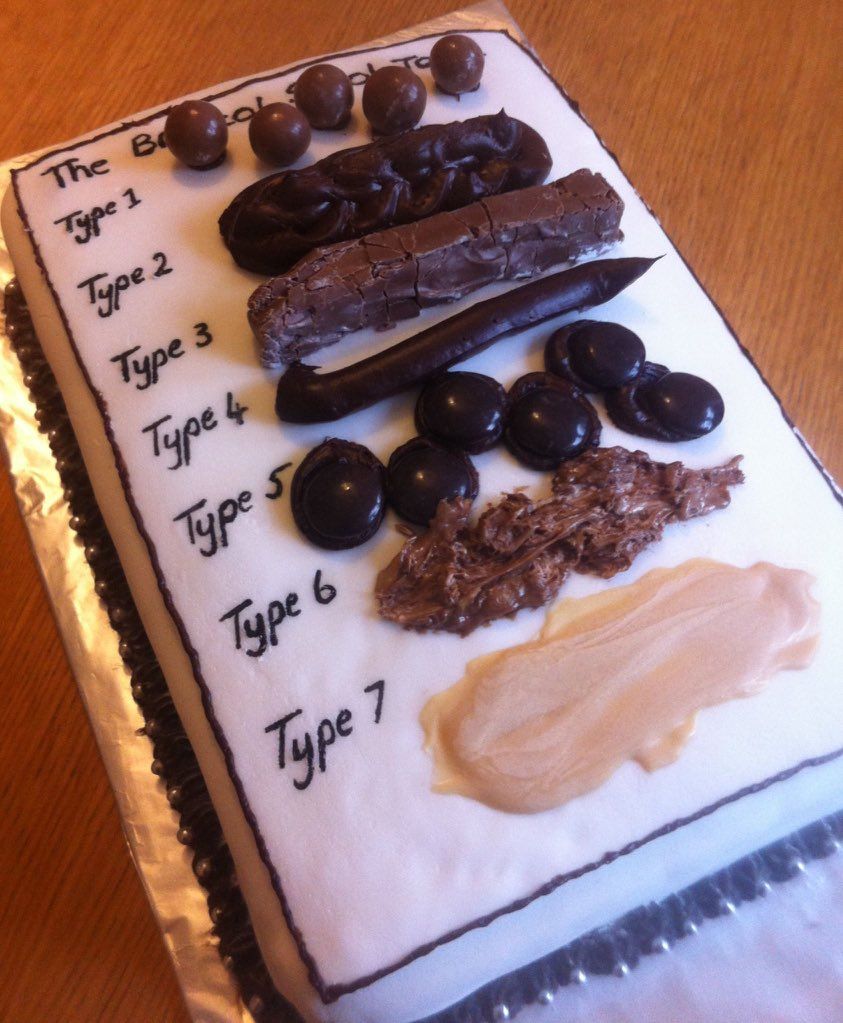
  • You or your child should have a good look at what consistency of poo is coming out - the nurses or doctors will want to know if the bowel preparation has worked well enough. Ideally the poo should be very watery (almost like wee -or type 7 on the Bristol stool chart) with just bits in it.  If it hasn't turned that watery or there is a doubt, the team  may prescribe a rectal laxative called an enema to get a final clear out of any residue so that the colon is cleansed thoroughly ahead of any colonoscopy
  • Follow the fasting instructions that your team has sent you.  It is important when having an anaesthetic that these are followed closely to minimise any risk of stomach contents coming up and then going down the windpipe whilst asleep (known as aspiration)


If you're in any doubt or have any questions about any of this process ahead of your child's colonoscopy, then please ask your doctor or the endoscopy team.


Remember that we all want to get the most information, in the safest possible way, from any paediatric colonoscopy. So getting bowel preparation right is a crucial role that you and your child have.


For more information about tests including paediatric endoscopy click here.

If you are concerned about tummy troubles that your child has, and you think they need an evaluation with an experienced paediatric gastroenterologist, then please do be in touch by emailing us


Wishing you and your child all the best with getting ready for their colonoscopy.


Dr Crespi

Much Ado about Poo
By Daniel Crespi March 1, 2020
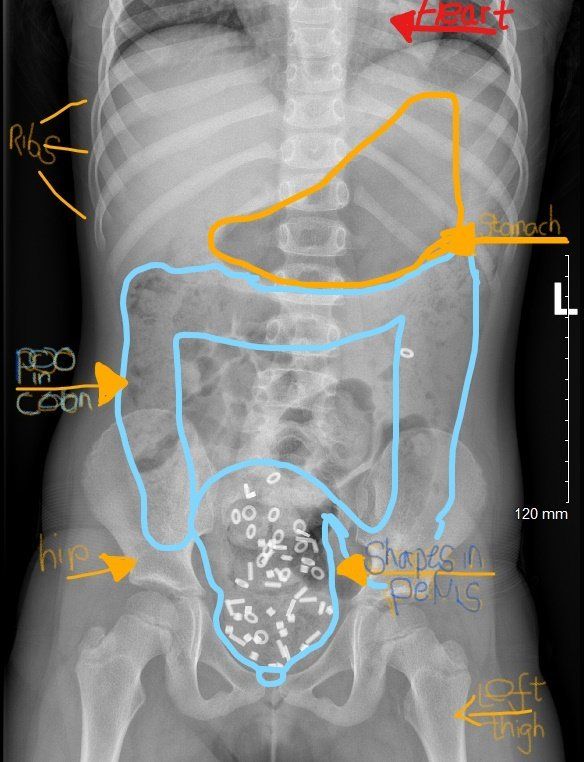
Constipation in children is a very common situation that I come across in my Kids Gastro Care clinics. The research literature often quotes a stat that up to 25 % of visits to a paediatric gastroenterologist are about constipation. Here I will discuss in some more detail, just one particular aspect of constipation in children, that of faecal incontinence or poo accidents. It is commonly associated with faecal impaction. For more on the diagnosis and management of constipation in children please click here. Being a 'poo doctor' I have become very used to talking about all aspects of bowel function and poo every day - just ask my kids! This isn't always the case for many others. There is still a great deal of stigma attached to poo problems in children and adults of all ages. One such area is around Poo accidents in children. Also called soiling, encopresis and faecal incontinence, it is not often the first thing that families talk about when I meet them in my clinics. In fact it may only come up when I directly ask about them. Poo accidents can be a tremendous source of upset, embarrassment, as well as social awkwardness, isolation and shame. They can leave parents frustrated at times as it is difficult to understand how their child can not seem to control their bowel motions. Sometimes children are told that they're being lazy and it can be easy to blame the child for the situation. I have seen children who needed upward of 8 changes of underwear and clothes a day because of poo accidents. Schools often send children home when these accidents occur. What should be fun childhood social activities such as swimming and sleep overs are limited or even stopped all together for fear of the dreaded accident happening. In the majority of children with poo accidents, the most common reason for this to occur is constipation. In some there is no significant constipation. I won't go into detail about that situation here in this post, as other aspects of care, often with a psychological emphasis, need to be addressed in greater detail. When there is a significant build up of poo within the large intestine (colon) or 'poo factory' as I call it, this is known as faecal impaction . Often the build up occurs in the very last section of the colon called the rectum - a sort of holding area for poo before it is passed out of the body. The impacted faeces sits in the colon and builds up gradually over time becoming more and more firm. Newer poo can sometimes slide past this mass of older poo, and slip out unannounced, as an accident. Sometimes this can be mistaken for diarrhoea. The rectum becomes more and more stretched over time. The usually sensitive rectum, loses its ability to sense being filled up with new poo as it has been stretched beyond its usual dimensions. Accidents can occur at any time, often seemingly without the child even noticing. To add to an already difficult situation, and because of the close location of the stretched rectum to the bladder, wee accidents can also become a part of the problem. Often this situation isn't recognised for what it is until late in the journey. A crucial early step is understanding what has happened and explaining how it has developed, using a non-judgemental, no blame approach. This combined with the right type of laxative treatment then aims to clear out - or disimpact - the old mass of poo that's been sitting there probably for some time. Occasionally, a special type of x ray of the tummy, a so called shape study (colonic transit study) may be used to help clarify the situation and visually demonstrate the build up of poo. The X ray picture at the top of this blog post, shows an accumulation of shapes in a mass of faeces in the pelvis,. This is in the last part of the colon with a stretched rectum. Other parts of the colon are also loaded with poo. The sensation of needing to go is weakened by this stretch of the rectum and so accidents occur regularly. The good news is that often dramatic improvements can be made when the situation is recognised and then managed appropriately with disimpaction . I have seen children go from having multiple accidents each day to none overnight, with a simple intervention using laxatives to clear out the impacted rectum . Disimpaction can either involve taking several days of oral laxatives in increasing amounts , or as an alternative more direct way, using 2 or 3 days of laxatives administered rectally - using enemas. Occasionally a combined approach is useful. Once this crucial first step has taken place, then a regular schedule of laxatives is needed to keep the colon clear and prevent a further build up. I really feel it's time to break down these taboos around poo and get this issue more widely recognised and then treated properly. Talking about poo with a fun down to earth approach is a start. It is only poo after all... If you think your child may be experiencing issues similar to those I have mentioned in this post, please do have a look at the Kids Gastro Care website for more information about constipation in children . If they're having troubles with their bowel control and you'd like to discuss things in more detail in an appointment with me, then please don't hesitate to be in touch and give us a call . The ERIC website , run by ERIC -the Childrens Bowel and bladder charity- is a fantastic resource for families affected by these issues. Please do help support their amazing work if you can by making a donation. I recently posted about this on our Facebook page with a request for donations for ERIC.
By Daniel Crespi February 5, 2020
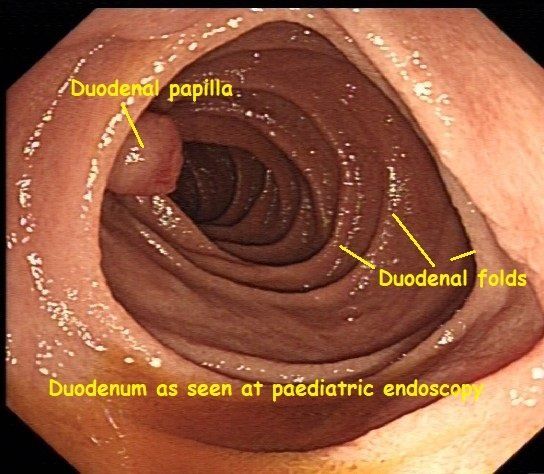
Every so often during my weekly paediatric endoscopy list, a striking image comes up on the screen, that makes me stop and reflect on the wonders of the human body. Here you can see a healthy-looking duodenum, from a recent paediatric endoscopy of the upper Gastrointestinal (GI) tract. This type of diagnostic endoscopy is also known as an Oesophago-gastro-duodenoscopy (OGD for short) or Gastroscopy. The duodenum, the first, and shortest part of the small intestine, derives its name from the Latin word duodeni. This refers to its length being approximately 12 finger-breadths. Partially digested stomach contents, in an acidic semi-fluid mass known as chyme, leave the stomach via the pylorus and enter the duodenum. Here further digestive processes take place. To help get your bearings with the image here, I'll explain a little more about some of the terminology and jargon used by an endoscopist. The central cavity of any hollow tube within the body is knows as its lumen. Having a good clear view of the lumen is essential during endoscopic procedures such as an OGD or colonoscopy. When trying to describe where a specific or noticeable feature or point of interest is during a procedure, and for ease of reference, endoscopists tend to compare the lumen of the bowel to a clock face. The protrusion visible at the 9 o'clock position, is the duodenal papilla. This is an important landmark seen during endoscopic procedures involving the upper gastrointestinal tract such as an OGD or ERCP. The latter is a specialised type of endoscopy used to look at the gall bladder, pancreas and their associated pipework (or ducts to be more formal). Digestive juices from the gallbladder and the pancreas are transported downstream via these sophisticated pipes (ducts) to just behind or upstream of the papilla. They are mixed together, then squirted through the papilla, into the lumen of the duodenum, to mix with the chyme and help with digestion. These digestive juices contain: - Bile salts that help emulsify fat - Pancreas enzymes to help digest food - Bicarbonate to neutralise the acidity of the chyme and protect the lining of the small intestine from acid damage. Anyone who has experienced the pain brought on by a gallstone lodged in some of the ducts draining the gallbladder or pancreas, can testify to the fact that it is almost impossible to stand during such an episode. Although less common in children, gallstones can occur and are associated with bowel conditions such as Crohn's disease. I couldn't help but think how fitting are the words of the blessing for good health "Asher Yatzar". "Blessed... who has formed man with wisdom and created within him many openings and hollow spaces. It is obvious and known before Your Seat of Honor, that if even one of them would be opened, or one of them would be sealed, it would be impossible [to survive and] to stand before You.” This is recited at times most of us take for granted, after going to the loo for a wee or a poo for example. There was just something about this image that made me recognise the importance of being grateful for simple things, such as all our pipes and tubes being in good working order. For more about common topics related to paediatric gastroenterology, digestion and endoscopy click here . And if you would like to meet to discuss a digestive problem your child has, please don't hesitate to be in touch by calling us or sending us an email .
poo colour in children, poo consistency baby, bowel habits children, paediatric gastroenterology
By Dr Daniel Crespi November 3, 2019
A simple guide for parents by an experienced paediatric gastroenterologist, as to what is and what isn't normal for babies and children's poo. It covers bowel habits, poo frequency, consistency and colour.
How to diagnose coeliac disease in children by Dr Daniel Crespi Paediatric Gastroenterologist London
By Dr Daniel Crespi September 25, 2019
How to diagnose Coeliac disease in children is an evolving process with some recent significant changes. Here Dr Daniel Crespi, a London based Paediatric gastroenterologist, goes through the different ways in which this common condition can present in children. He then takes you through the latest diagnostic routes available. These now include a so called Biopsy avoidance approach in a wider group of children than ever before. Having a specialist involved early on can help prevent experiencing some of the pitfalls in diagnosing this common condition.
By Daniel Crespi July 30, 2019
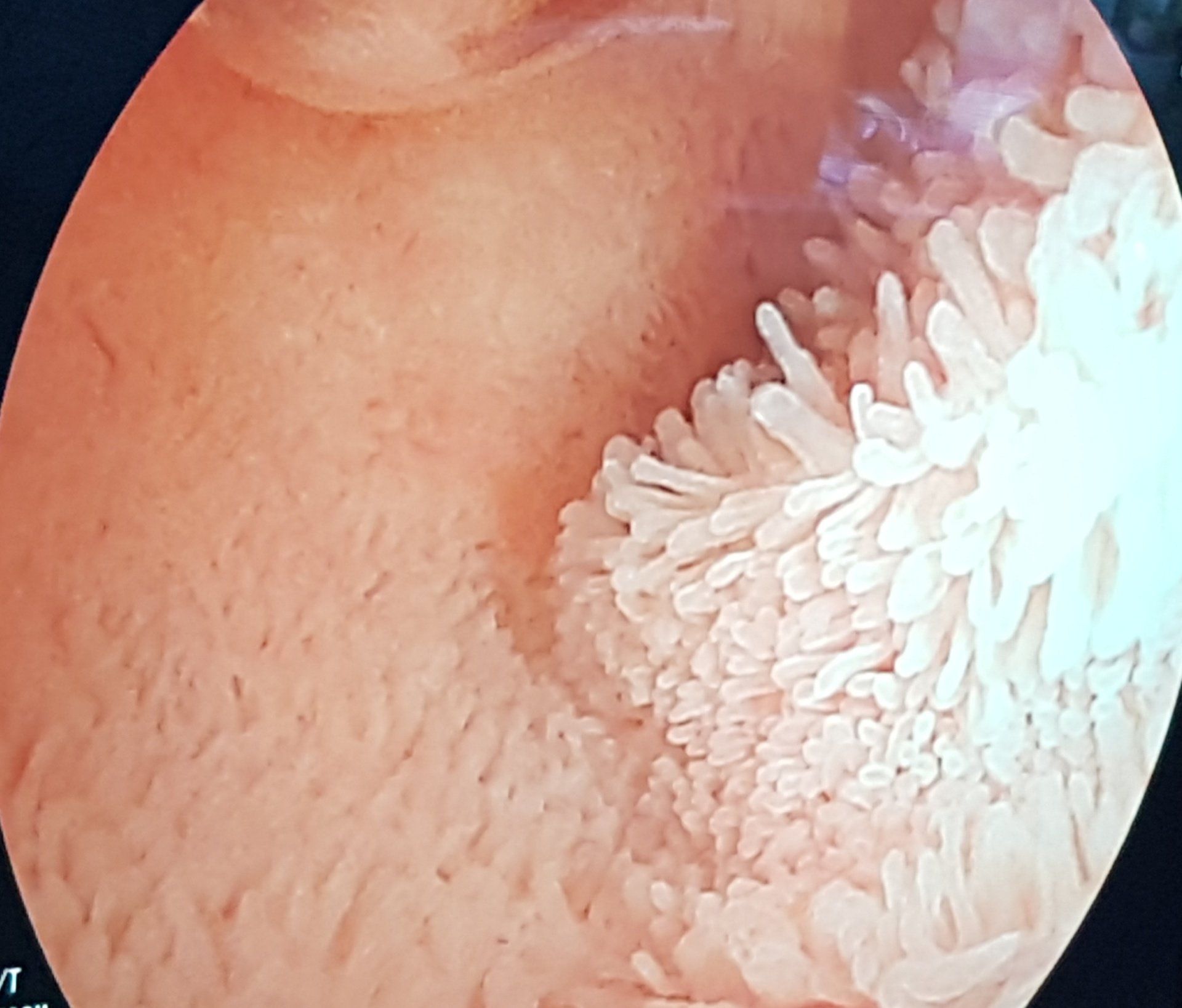
Every so often, I feel a sense of awe whilst at work. I came across this view during a specialised type of endoscopy (Double Balloon Enteroscopy or DBE) performed by a colleague, and I had that feeling again. Seeing a moving carpet of villi, the tiny finger like projections that coat the inner lining or mucosa of the small intestine in such detail, brought home to me the incredible workings of the human body, and how fortunate I am to be able to see this on a regular basis. Thousands upon thousands of these amazing structures help to hugely increase the surface area available for absorption of essential nutrients. including iron and vitamins. The small bowel can be affected by a variety of conditions that inflict damage to the villi. This impairs their ability to function so that one is at risk of malabsorption. Examples include Coeliac disease and Crohn's disease. Sometimes suspicion of the likely nature of the disease and it's involvement of the small intestine isn't enough. This is especially true when considering the use of potent medications that suppress the immune system, with the aim of healing the damaged areas. Having actual visual and biopsy proven evidence of involvement of this section of the GI tract can be crucial in deciding on the next steps in managing a condition. With most of its length, aside from the first and last few centimetres, being beyond the reach of standard upper and lower Gastrointestinal (GI) endoscopy, the small bowel has always been harder to investigate. Imaging using Barium with x rays is now rarely if ever used as other radiological techniques are available and also to avoid excessive radiation exposure especially in children. MRI of the small intestine gives a huge amount of information not only about the small bowel but also surrounding areas and organs. It is used in both children and adults. Ultrasound of the small intestine, in the right hands, can also give very useful information about the state of the small bowel particularly with regard to whether it is affected by inflammation in Crohn's disease. It is particularly useful in children as it avoids the sometimes claustrophobic feeling some can feel when in an MRI scanner as well as being faster and cheaper. Using Double Balloon Enteroscopy or DBE, it is possible to inspect the entire length of the lining of the small intestine. It allows the endoscopist to reach a lot further than a standard upper GI endoscopy or OGD does. The same is true of video capsule endoscopy (VCE), the miniaturised video camera within a swallowed pill, that takes thousands of images of the small intestine as it moves along it. In very simple terms, I think of the VCE as a reconnaissance of the area, scouting for anything abnormal. A form of window shopping, when I can only see the area of interest, however I can't sample what I see. With DBE one can both see and sample the lining with a biopsy and in some cases therapeutic techniques can be used. The VCE is often used as a screening investigation and then if needed, one can literally examine the depths of the small bowel with the DBE to obtain samples of tissue for examination under a microscope. The two techniques complement one another and along with other investigations, when put together like a jigsaw, help build up the bigger picture. Both techniques have their pros and cons of course and these are always discussed in detail before they are used. Carefully selecting the right test for the right patient is part of the challenge so as not to lead to any harm that could have been avoided. For more information and child friendly videos on endoscopy, have a look at the Useful resources page of the website.
By Dr Daniel Crespi Paediatric Gastroenterologist June 24, 2019
Here Dr Daniel Crespi, a London based paediatric gastroenterologist, takes the reader on a short journey describing the way that these latest Inflammatory Bowel Disease Standards of care have been arrived at over several years.
By Daniel Crespi June 6, 2019
Good article on the BBC website discussing some research from King's College London. We talk about constipation in the paediatric gastro and nurse -led constipation clinics but are we actually talking about the same thing that patients are when we discuss it. Patients and their doctors and nurses should all be on the same page when it comes to defining what constipation is. As a 'poo' doctor I make no apologies for getting into the nitty gritty detail about bowel habits in consultations to make sure I get a good understanding of the situation from the patient perspective. It's only poo after all. Breaking down the taboo further. A good read for all of us. https://www.bbc.co.uk/news/health-48528058
By Daniel Crespi May 30, 2019
It's a phrase one often hears.. 'follow your gut feeling' but what is that all about? Intuition or 'gut feeling' is something we all feel at different times. Some researchers from Florida State University have found that gut feelings are part of a protective system helping us to avoid running into trouble. Powerful gut to brain signals have a significant effect on our emotions and decisions. This is something I often talk about with patients...how the gut and brain are hard wired to one another and constantly communicating. It's a fascinating area with lots of research going on. This so called gut-brain axis has a significant role to play in many symptoms and conditions that are commonly seen in a gastroenterology clinic and offers another angle when it comes to formulating a treatment strategy. You can read more about it in the article published in the journal Physiology in 2018 authors L Rinaman and J Maniscalco. More on this in future posts.
By Daniel Crespi May 30, 2019
A fantastic 2 day course run by the team at the Royal London Hospital. It covered all aspects of Neurogastroenterology. Studies show that a large number of GI outpatient consultations revolve around conditions within this subspecialty of gastroenterology. Understanding the mechanisms behind the development of these conditions allows for a more personalised treatment plan incorporating a biopsychosocial approach. (Image from D.A Drossman, Rome III (3) process , Rome Foundation).